


Greek chicken marinade is the one recipe I reach for whenever I want big flavor with almost zero effort. It is a simple blend of olive oil, fresh lemon juice, garlic, and dried herbs that transforms ordinary chicken into something bright, juicy, and deeply satisfying. I first mixed this up on a night when I had nothing planned for dinner, and it has been a staple in my kitchen ever since..
The smell alone is enough to make everyone wander into the kitchen. That combination of lemon zest, garlic, and oregano hitting a hot pan is something you have to experience. This marinade works on chicken breasts, thighs, drumsticks, or skewers — whichever cut you have on hand. If you love bold, herb-forward chicken dinners like Greek chicken bowls or Greek chicken gyros, this is the foundation you need in your recipe collection.
Table of Contents
Ingredients for Greek Chicken Marinade
This marinade comes together with pantry staples you likely already have. I always use fresh lemon juice rather than bottled — the brightness it brings to the marinade is worth the extra minute of squeezing. Here is everything you need:
- 1/3 cup extra virgin olive oil — my preference is a good quality bottle since it is a core flavor here
- 1/4 cup fresh lemon juice (about 2 lemons)
- Zest of 1 lemon — I recommend never skipping the zest, it adds a fragrant intensity the juice alone cannot
- 4 garlic cloves (minced)
- 1 tablespoon dried oregano
- 1 tsp dried thyme
- 1 tsp sea salt
- 1/2 tsp ground black pepper
- 1 tsp Dijon mustard (optional, helps emulsify the marinade)
- 1 tablespoon fresh parsley or dill, chopped (optional, for garnish after cooking)
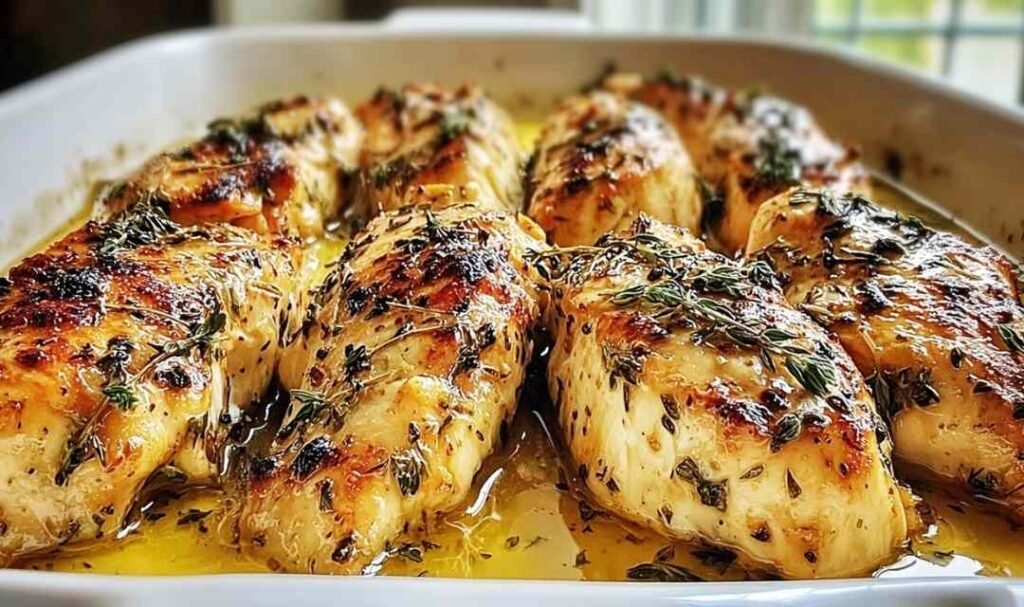
Step-by-Step Instructions
In my experience, whisking the lemon juice and mustard together first before adding the oil creates a much better emulsion — the marinade clings to the chicken more evenly and delivers deeper flavor all the way through.
Step 1: Zest one lemon and juice both lemons. Mince the garlic cloves finely. Set everything aside before mixing so the process moves quickly.
Step 2: In a medium bowl, whisk together the lemon juice and Dijon mustard first. Add the minced garlic, dried oregano, thyme, salt, and pepper. Slowly drizzle in the olive oil while whisking continuously until the mixture looks slightly emulsified. Stir in the lemon zest last.
Step 3: Place your chicken in a large resealable zip bag or shallow dish. Pour the Greek chicken marinade over the top, making sure every piece is fully coated. Seal and refrigerate for at least 1 hour. For the best flavor, aim for 4 to 12 hours. Do not exceed 24 hours as the lemon acid can break down the texture.
Step 4: When ready to cook, remove chicken from the refrigerator and let it sit at room temperature for 15 to 20 minutes. This helps it cook more evenly. If working with thick breasts or thighs, score a few shallow cuts into the thickest part to help the marinade penetrate deeper.
Step 5: Cook using your preferred method. Grill over medium-high heat for 6 to 7 minutes per side. Bake at 400 degrees F for 20 to 25 minutes. Pan-sear over medium-high heat until the internal temperature reaches 165 degrees F. Let rest 5 minutes before slicing.
Step 6: Garnish with fresh parsley or dill before serving for a clean, herby finish.
What to Serve with Greek Chicken Marinade
The bright citrus and herb flavors in this marinade pair beautifully with Mediterranean-inspired sides and fresh, simple dishes that let the chicken shine.
Greek Chicken Bowls: Build a full Mediterranean spread by serving your marinated chicken over grains with fresh toppings. This Greek chicken bowl setup is the most natural and satisfying way to enjoy it as a complete meal.
Mediterranean Chicken Bowl: For a heartier option with roasted vegetables and creamy sauces, this Mediterranean chicken bowl is a natural extension of the same flavor profile and makes the most of your marinated chicken.
High Protein Mediterranean Chicken Orzo: A lemony orzo side soaks up all the drippings from the cooked chicken. This high protein Mediterranean chicken orzo is a filling, protein-rich pairing that works for both lunch and dinner.
Lemon Honey Glazed Chicken: If you want to serve a citrus chicken duo at a dinner party, pairing this marinade recipe alongside this lemon honey glazed chicken gives guests two bright, herb-forward options with great contrast.
Greek Chicken Gyros: Use your marinated and cooked chicken as the protein in warm pita wraps with tzatziki and fresh vegetables. This Greek chicken gyros recipe shows exactly how to build that perfect wrap.
Peruvian Chicken with Aji Verde and Cilantro Rice: For a vibrant global spread, serve this alongside Peruvian chicken with aji verde and cilantro rice to give your table a bold, international flavor lineup.
Rosemary Lemon Chicken Patties: If you have extra marinade and want a creative use for it, try brushing it over rosemary lemon chicken patties before grilling for an herby, citrusy variation your family will love.
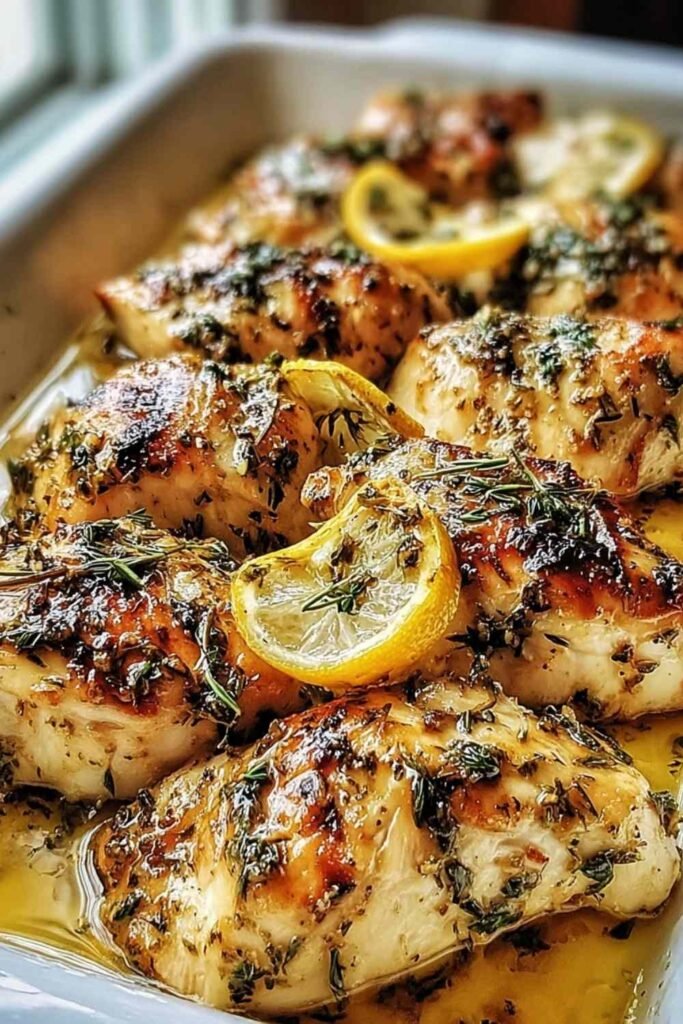
Keeping It Fresh and Making It Ahead
Store cooked marinated chicken in an airtight container in the refrigerator for up to 3 to 4 days. Let it cool completely before sealing to prevent condensation. If you want to freeze ahead, combine raw chicken and marinade in a freezer-safe bag and freeze immediately — the chicken will slowly marinate as it thaws, making meal prep effortless.
I recommend reheating cooked chicken in a skillet over medium heat with a splash of chicken broth to keep it juicy. Avoid microwaving if you can — it tends to dry out the chicken and dulls the bright lemon flavor.
Pro tip: Make a double batch of the marinade and keep half in a sealed jar in the refrigerator for up to one week. Use it on vegetables, shrimp, or tofu throughout the week. Never reuse marinade that has touched raw chicken unless you boil it first.
Frequently Asked Questions
Can I use this marinade on chicken thighs instead of breasts?
Yes, thighs actually hold up especially well to this marinade because their higher fat content keeps them juicy even if slightly overcooked. They work great on the grill or baked in the oven at 400 degrees F for 25 to 30 minutes.
What if I only have 30 minutes to marinate?
Thirty minutes still makes a noticeable difference, especially if you score the chicken first. The lemon juice and garlic penetrate quickly, so even a short marinating window adds real flavor. For a deeper result, marinate overnight when you have the time.
Can I use this marinade as a sauce after cooking?
Only if the marinade has not touched raw chicken. If you want a sauce, set aside a small portion of the marinade before adding the chicken, then drizzle it over the cooked meat or use it as a dipping sauce. This keeps it completely safe to serve.
Conclusion
Greek chicken marinade is one of those recipes that earns a permanent spot in your kitchen once you try it. It takes minutes to mix, works on any cut of chicken, and delivers restaurant-quality flavor every single time. Mix up a batch tonight and taste the difference fresh herbs and lemon can make on your dinner table.
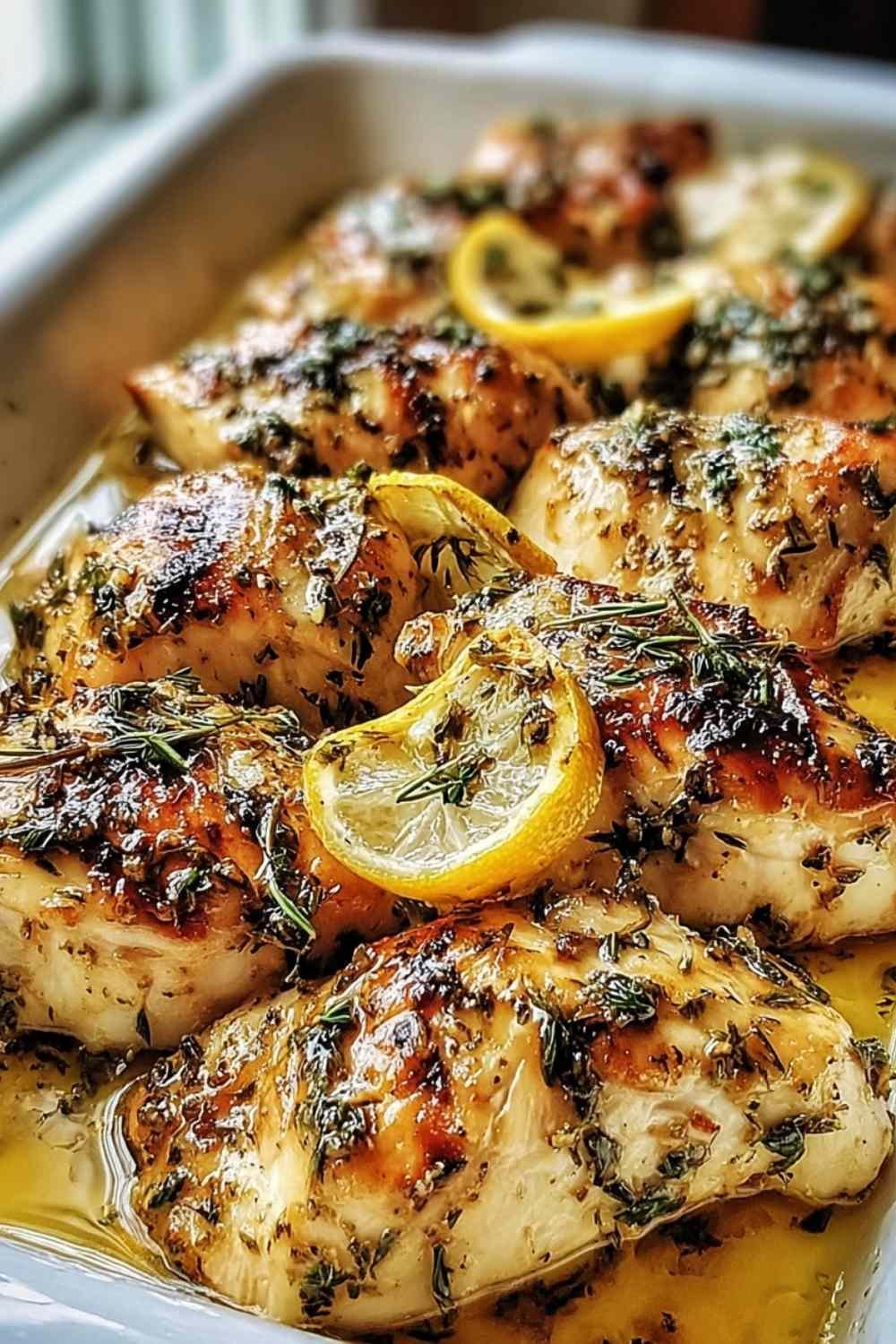
Greek Chicken Marinade
Ingredients
Equipment
Method
- Zest one lemon and juice both lemons. Mince the garlic cloves finely. Measure out all herbs and seasonings before mixing.
- In a medium bowl, whisk together the lemon juice and Dijon mustard first. Add minced garlic, dried oregano, thyme, salt, and pepper. Slowly drizzle in olive oil while whisking continuously until slightly emulsified. Stir in lemon zest.
- Place chicken in a large resealable zip bag or shallow dish. Pour the marinade over, ensuring all pieces are fully coated. Seal and refrigerate for at least 1 hour, ideally 4 to 12 hours. Do not exceed 24 hours.
- Remove chicken from the refrigerator 15 to 20 minutes before cooking to bring to room temperature. Score thick breasts or thighs with shallow cuts to help the marinade penetrate.
- Cook using your preferred method: grill over medium-high heat 6 to 7 minutes per side, bake at 400 degrees F for 20 to 25 minutes, or pan-sear over medium-high heat until internal temperature reaches 165 degrees F.
- Let the chicken rest for 5 minutes after cooking. Garnish with fresh parsley or dill before serving.